

Most new websites try to rank for big, competitive keywords. They write about “best SEO tips” or “how to lose weight fast” and then wonder why no one visits their site. The truth is simple. Big keywords are hard to win. Long tail keywords are the smarter path.
Long tail keywords are longer, more specific phrases that people type when they know exactly what they want. Instead of “shoes,” someone might search “red running shoes for flat feet size 10.” That is a long tail keyword. It gets fewer searches, but the person searching it is ready to buy or take action.
This guide will show you what long tail keywords are, why they matter so much, and how to find them using free and paid tools. By the end, you will have a clear plan to build content that actually ranks and brings visitors to your site.
Why Long Tail Keywords Matter More Than You Think
Short, broad keywords get thousands of searches every day. But they also have thousands of websites competing for the same spot. A brand new website has almost no chance of ranking for “digital marketing” on page one of Google.
Long tail keywords work differently. They are more specific, which means fewer sites are targeting them. When fewer sites compete, it is easier for you to rank. And because the person searching used a very specific phrase, they are usually closer to making a decision. They are not just browsing. They want an answer.
Studies show that around 70 percent of all searches online are long tail searches. That is a huge portion of search traffic that many website owners completely ignore. If you focus on these terms, you can capture visitors that your competitors are missing.
Long tail keywords also connect directly to your overall SEO strategy. When you understand them, it becomes easier to structure your content, improve your internal links, and run a proper SEO audit that finds gaps in your current approach.
What Makes a Good Long Tail Keyword
Not every long phrase is a good long tail keyword. The best ones share a few important qualities.
Search intent is clear. The keyword should tell you exactly what the person wants. “How to fix a leaking tap in a bathroom” is clear. “Tap problem” is not.
It has some search volume. You want a keyword that people are actually typing. Very niche phrases with zero monthly searches will not bring traffic even if you rank number one.
Competition is low or moderate. Check how many strong, established sites are already targeting this phrase. If the top results are all big brands, it will be harder to compete.
It connects to your product or service. The traffic only matters if those visitors are relevant to what you offer. A keyword about dog food will not help a website selling software.
How to Find Long Tail Keywords Using Free Tools
You do not need to spend money to find good long tail keywords. Several free tools work very well.
Google Search Itself
Start typing a phrase in the Google search bar and watch what Google suggests. These autocomplete suggestions come from real searches that real people make. They are gold for keyword research. If Google is suggesting it, people are searching for it.
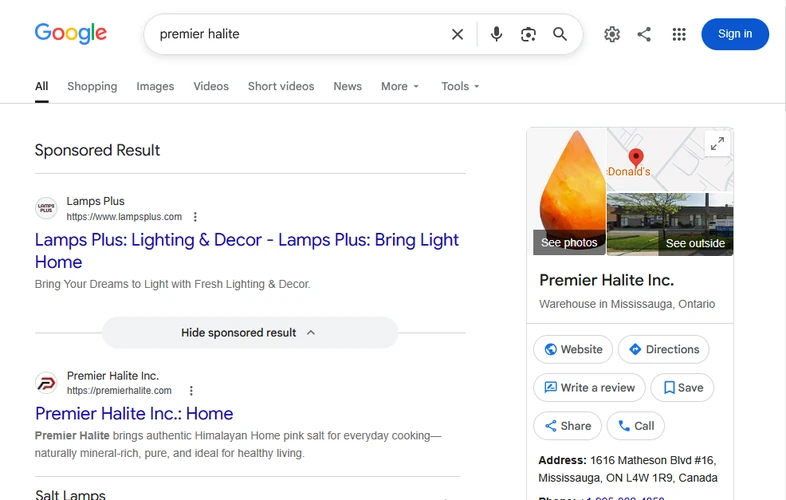
After you search, scroll to the bottom of the results page. You will see a section called “Related searches.” These are more long tail phrases connected to your original search. Write them all down.
Google Search Console
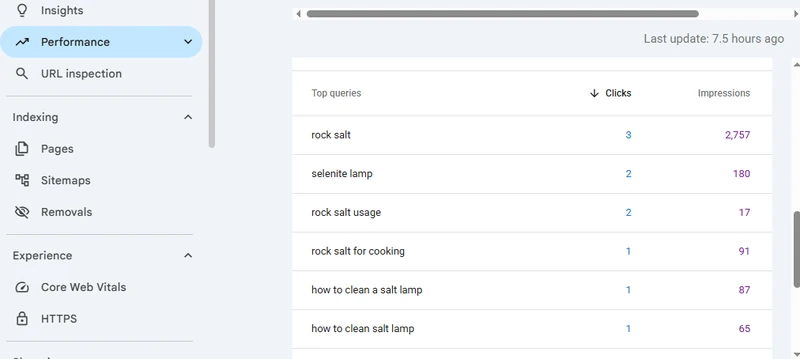
If your website is already getting some traffic, Google Search Console shows you the exact phrases people used to find your site. Go to the Performance section and look at the Queries tab. You will often find longer phrases buried in this list that you were not even targeting. These are opportunities you can create dedicated content for.
Answer the Public
Answer the Public is a free tool that takes a keyword and shows you questions, comparisons, and prepositions people use around that topic. Type in “SEO” and you will see phrases like “SEO for small business,” “how does SEO work,” and “SEO vs paid ads.” These question-based phrases are perfect long tail keywords because they match exactly how people search.
Reddit and Quora
People on Reddit and Quora ask very specific questions in their own words. Search your main topic on these platforms and read the questions people ask. The exact wording they use often becomes a perfect long tail keyword. This also tells you what problems people actually have, so your content can solve real issues.
How to Find Long Tail Keywords With Paid Tools
Free tools are great for getting started. But if you want deeper data and faster results, paid tools give you more information.
Ahrefs Keywords Explorer

Ahrefs lets you type in a seed keyword and filter results by keyword difficulty and search volume. You can set the difficulty to a low number, like under 20, and find hundreds of easier long tail keywords around your topic. The parent topic feature also shows you which bigger keyword these phrases fall under, which helps with content planning.
SEMrush Keyword Magic Tool

SEMrush has a keyword magic tool that breaks keywords into groups by topic. This makes it easy to see clusters of related long tail phrases you can cover in a series of articles. You can filter by search volume, keyword difficulty, and even by question type.
Ubersuggest
Ubersuggest offers a free version with limited results and a paid option for more data. It shows keyword suggestions, search volume, and competition scores. It is a good middle ground between completely free tools and expensive options.
How to Organize and Use Your Long Tail Keywords
Finding keywords is only the first step. You also need to organize them and plan how to use them on your site.
Group your keywords by topic. If you run a website about home improvement, you might group kitchen keywords together, bathroom keywords together, and garden keywords in their own group. This grouping helps you build content clusters, which is a strategy Google rewards with better rankings.
Pick one main keyword for each piece of content. Use it in your title, in one of your H2 headings, in the first paragraph of your article, and naturally throughout the text. Do not force it. Write for the reader first.
Use supporting keywords naturally in the rest of your article. These related phrases help Google understand your content better. This connects to broader optimization steps covered in our guide on why competitors rank higher and what you can do to close the gap.
Also think about where you can add internal links. When you write a new article about a specific topic, link to related articles on your site. This helps readers find more useful content and helps Google understand how your pages relate to each other.
Long Tail Keywords and Content Strategy
Long tail keywords work best when they are part of a bigger content plan. Instead of writing random articles, you build a structure where each piece of content supports the others.
Start with a pillar page. This is a long, comprehensive article about a broad topic, like “beginner guide to vegetable gardening.” Then write smaller, more specific articles that go deeper into each subtopic, like “how to grow tomatoes in small spaces” or “best vegetables for shady gardens in summer.” Link all these smaller articles back to your pillar page and to each other.
This structure, often called a content cluster, tells Google that your site has serious depth on this topic. It improves your chances of ranking for both the broad keyword and all the specific long tail phrases.
Common Mistakes to Avoid With Long Tail Keywords
Many people understand the idea of long tail keywords but still make mistakes when using them.
Targeting keywords with no search volume. Ultra-specific phrases with zero monthly searches will not bring traffic. Always verify that real people are searching for the phrase.
Ignoring search intent. A keyword like “best coffee maker under 50 dollars” has buying intent. An article that only describes what coffee makers are will not satisfy that intent. Match your content to what the searcher actually wants.
Using the same keyword on multiple pages. This creates what SEO professionals call keyword cannibalization. Your own pages compete against each other, which confuses Google and hurts rankings for both pages.
Stuffing keywords unnaturally. Repeating a keyword ten times in a short article does not help your rankings. It makes your writing hard to read and can actually hurt your position.
Tracking the Performance of Your Long Tail Keywords
Once you publish content targeting your long tail keywords, you need to track how it performs. Use Google Search Console to monitor impressions, clicks, and average position for each article. Give each piece of content at least two to three months before judging its performance.
Look for keywords where you are ranking between positions 5 and 20. These are your best opportunities. You are already on the first or second page, which means a bit of improvement in your content or internal links could push you into the top three results.
Final Thoughts on Long Tail Keyword Research
Long tail keywords are one of the most powerful and underused tools in SEO. They let smaller websites compete successfully in a world where big brands dominate the popular search terms. By targeting specific, high-intent phrases, you attract visitors who are genuinely interested in what you offer.
Start with free tools like Google autocomplete and Answer the Public. Build a list of specific, relevant phrases with clear intent. Organize them into topic groups and create content clusters that support each other. Monitor your results and keep improving your content over time.
The websites that win at SEO are not always the biggest ones. They are the ones that answer specific questions better than anyone else. Long tail keywords give you that opportunity, one article at a time.